Vital Aspects for Planning an Impactful Commercial Sound Management Setup
Wiki Article
Creating an effective commercial audio delivery system is crucial for any company that depends on sound to improve the client experience. This system empowers businesses to deliver music, announcements, and other audio content to multiple areas within a facility. Core components in developing a effective audio distribution system include an awareness of sound quality, suitable equipment selection, strategic layout planning, and ongoing maintenance practices. These elements work together to maintain that the audio system meets the specific needs of the space and the audience.
Sound quality is one of the most important components of an audio broadcast system. Superior sound elevates the listening experience for visitors and can foster a inviting atmosphere. Parameters such as speaker types, amplifier units, and audio design all impact in maintaining rich and smooth sound. Facilities should evaluate implementing industry-standard speakers that are tailored for their venue. For example, public zones might depend on all-weather speakers, while rooms may gain from stereo arrays. Guaranteeing that all elements are technically synchronized and properly integrated is vital for peak performance.
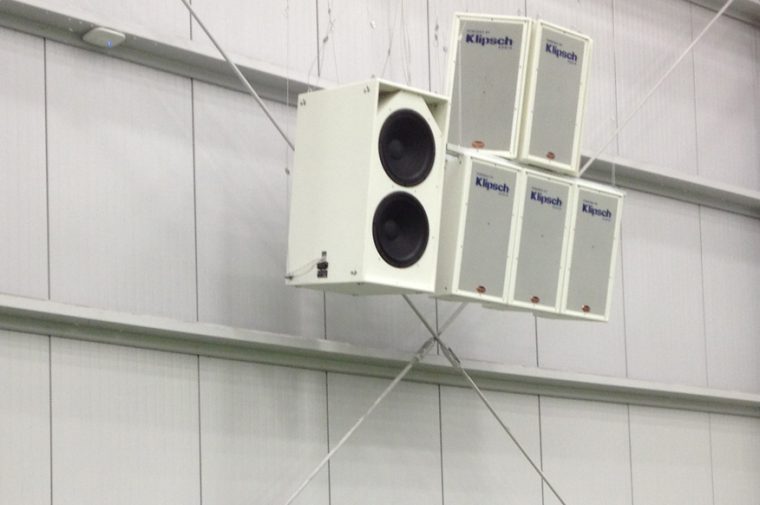
The determination of audio components plays a essential function in the effectiveness of the audio network. This entails deciding on the right audio mixers, sound enhancers, and media Website players. Enterprises should analyze their defined audio objectives before finalizing procurements. For instance, a boutique might utilize different tools than a dining venue or banquet facility. Additionally, integrating tech-driven tools can improve system control. Audio setups that support virtual operation or connection with smart controls can offer efficiency in controlling audio programming and sound intensity throughout various locations.
Planning the arrangement of the audio sound system is another essential aspect. A well-thought-out plan Visit Website maintains that sound is consistently transmitted across all areas without any sound voids or excessive noise in certain zones. This demands accurate installation of speakers and understanding of how sound moves in each environment. Factors such as dimensions, form, and furnishings can influence audio clarity. Conducting an sound assessment can support find the best positions for speakers to deliver clear sound reach throughout the environment.
Finally, consistent inspection is necessary to keep an audio distribution system operating reliably. Maintenance covers routine checks on devices operation, correcting any malfunctions as soon as possible, and updating firmware when needed. Guiding personnel on how to control the system properly can also prevent common problems and extend the longevity of the technology. By prioritizing maintenance, companies can guarantee stable audio performance and prevent interruptions that could diminish the audience impression.
In summary, creating an effective commercial audio delivery system requires meticulous analysis of sound performance, system setup, spatial arrangement, and system support. When these aspects are implemented effectively, companies can elevate their environment with superior audio solutions for their guests. Adopting a high-performing audio system not only improves communication but also supports a rewarding experience that can enhance client satisfaction.